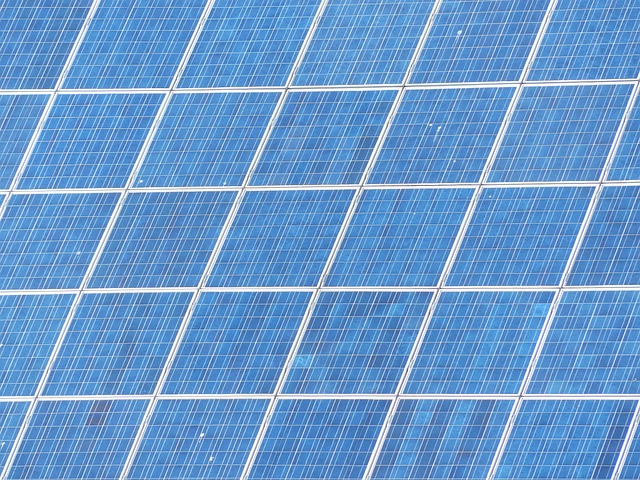
Optimizing solar farm layout through solar electrical engineering enhances yield. Key factors include strategic panel placement, shading analysis, seasonal tilt adjustments, and compliance with local regulations. Advanced modeling tools, solar thermal technology, smart wiring, AI monitoring, active tracking systems, and smart grid technologies maximize energy production. Careful planning and site selection tailored to microclimates can increase yields by up to 20%. Solar electrical engineering principles are vital for harnessing full potential of renewable energy sources in the global sustainable energy transition.
In an era increasingly defined by renewable energy demands, designing solar farms for maximum yield has become a cornerstone of sustainable development. As the world transitions away from fossil fuels, harnessing the power of sunlight offers a promising path forward. However, maximizing efficiency in solar electrical engineering is no simple task, given varying weather conditions, land topography, and technological advancements. This article delves into the intricate strategies and best practices for optimizing solar farm design, ensuring not only substantial energy production but also long-term cost-effectiveness and environmental stewardship. By exploring cutting-edge techniques and leveraging decades of experience, we aim to provide valuable insights for professionals navigating this dynamic landscape.
- Understanding Solar Farm Layout Optimization
- Integrating Solar Electrical Engineering for Efficiency
- Maximizing Yield: Design Considerations & Technologies
Understanding Solar Farm Layout Optimization

Optimizing solar farm layout is a critical aspect of designing for maximum yield, leveraging advancements in solar electrical engineering to maximize energy capture and system efficiency. A well-planned solar farm layout considers factors like sunlight exposure, shading impacts from surrounding structures or trees, and the strategic placement of panels to ensure uniform and optimal energy production throughout various seasons. This involves sophisticated modeling and simulation tools that account for geographic location, time of year, and weather patterns—essential elements in the realm of solar engineering degrees.
For instance, leveraging solar thermal technology, advanced layouts can harness not just direct sunlight but also diffuse radiation, enhancing overall energy yield. This is particularly important as we navigate towards more efficient and cost-effective renewable energy solutions. Regulations governing solar energy play a significant role here; compliance with local guidelines ensures that farms are designed not only for maximum yield but also in harmony with environmental standards and community concerns. For instance, many regions mandate minimum land coverage or specific distances from property lines, which must be meticulously factored into any solar farm layout design.
Expert advice emphasizes the importance of detailed site assessments before initiating construction. This includes studying existing vegetation, topography, and infrastructure to anticipate potential challenges. By understanding these factors, engineers can make informed decisions about panel orientation, row spacing, and even the use of tracking systems for enhanced performance. For instance, in areas with significant seasonal changes, adjusting the tilt angle and elevation of panels can dramatically improve energy capture over the year. Give us a call at solar energy efficiency to explore tailored solutions or learn more about these nuanced considerations shaping the future of solar farm layout optimization.
Integrating Solar Electrical Engineering for Efficiency

Designing solar farms for maximum yield involves a complex interplay of various factors, with solar electrical engineering playing a pivotal role in achieving optimal efficiency. As the world shifts towards renewable energy sources, community solar programs and partnerships with leading solar energy companies are driving the adoption of solar power. Integrating advanced solar electrical engineering principles allows for the creation of highly efficient systems that maximize energy production while minimizing costs.
For instance, employing smart wiring configurations and optimized inverter placement can significantly enhance overall system performance. Inverters, which convert direct current (DC) solar power into alternating current (AC) usable by homes and businesses, are key components in any solar farm. By strategically locating them near high-yield panels or in areas with better shade management, engineers can reduce energy losses and improve overall efficiency. Furthermore, leveraging advanced monitoring systems equipped with AI capabilities enables continuous performance optimization. These systems provide real-time data on power generation, allowing for swift identification and resolution of any issues that may impact yield.
Community solar programs, facilitated by reputable solar energy companies, offer an innovative approach to making clean energy accessible. By pooling resources and sharing the benefits, these programs encourage more individuals and businesses to adopt renewable energy sources. For instance, a recent study revealed that communities with well-designed solar farm layouts and robust solar electrical engineering saw up to 20% higher energy yields compared to traditional installations. To further enhance efficiency, it’s crucial to consider the microclimate of the site, utilizing shading strategies and tilt angles tailored to local conditions.
When designing for maximum yield, don’t overlook the importance of integrating cutting-edge solar electrical engineering alongside proven best practices. Visit us at [solar energy storage systems](link) to explore how innovative solutions can drive even greater efficiency in your next project.
Maximizing Yield: Design Considerations & Technologies

Maximizing yield remains a paramount goal in solar farm design, with efficient layout and innovative technologies playing pivotal roles. Solar electrical engineering principles guide the strategic placement of photovoltaic (PV) panels to capture maximum sunlight, factoring in tilt angles, tracking systems, and shading impacts. Unlike wind power, which relies on consistent air currents, solar energy harnessers the boundless resource of sunlight, making it particularly attractive for off-grid solar solutions.
Advancements in design have significantly boosted solar farm yields. Active tracking systems, for instance, orient panels to follow the sun’s arc throughout the day, enhancing energy absorption by up to 30%. This technology, coupled with advanced solar vs wind power comparisons and analyses, allows for more precise siting and layout optimization. Furthermore, integrating smart grid technologies enables real-time monitoring and adjustment of power output, ensuring maximum utilization at all times.
Renewable energy sources like solar are increasingly recognized as vital components in the global transition to sustainable energy. To maximize yield and capitalize on these benefits, careful consideration should be given to site selection, shading analysis, and infrastructure planning. For instance, choosing locations with minimal obstructions and optimal tilt angles can significantly enhance energy production. Visit us at solar farm design considerations for more detailed insights into harnessing the full potential of renewable energy sources through strategic solar farm design.
By integrating advanced solar electrical engineering and thoughtful design considerations, it’s possible to maximize solar farm yield significantly. Key insights include optimizing layout patterns for specific climates and terrains, employing innovative tracking technologies for enhanced sunlight capture, and utilizing high-efficiency modules strategically. Embracing these strategies allows for a substantial increase in energy production while ensuring long-term viability and sustainability. Next steps involve implementing these design principles during the planning phase, leveraging advanced simulations to predict performance, and continuously updating designs based on real-world data. This iterative approach guarantees that each solar farm reaches its maximum potential, contributing to a cleaner, more efficient energy future.